

- Info MM:K
Contact
Muzejska pot 3, 1241 Kamnik, Slovenia
+386 (0)1 8317 662
info@muzejkamnik.siDŠ: 92474519
MŠ: 5095417000
TRR: SI56 0110 0600 0057 156Opening hours MM:K
Opening hours for visitors:
Tuesday-Saturday: 10.00 – 18.00,
Sunday, Monday and holidays: closedMuseum – Zaprice Castle is from 15.4. until 15.9.2025 also open on Sundays from 10 a.m. to 2 p.m.
- Events & News
- Exhibitions
- Units
- Collections
- Education
- Shop
- About MM:K
Trzin through the Lens of Peter Naglič
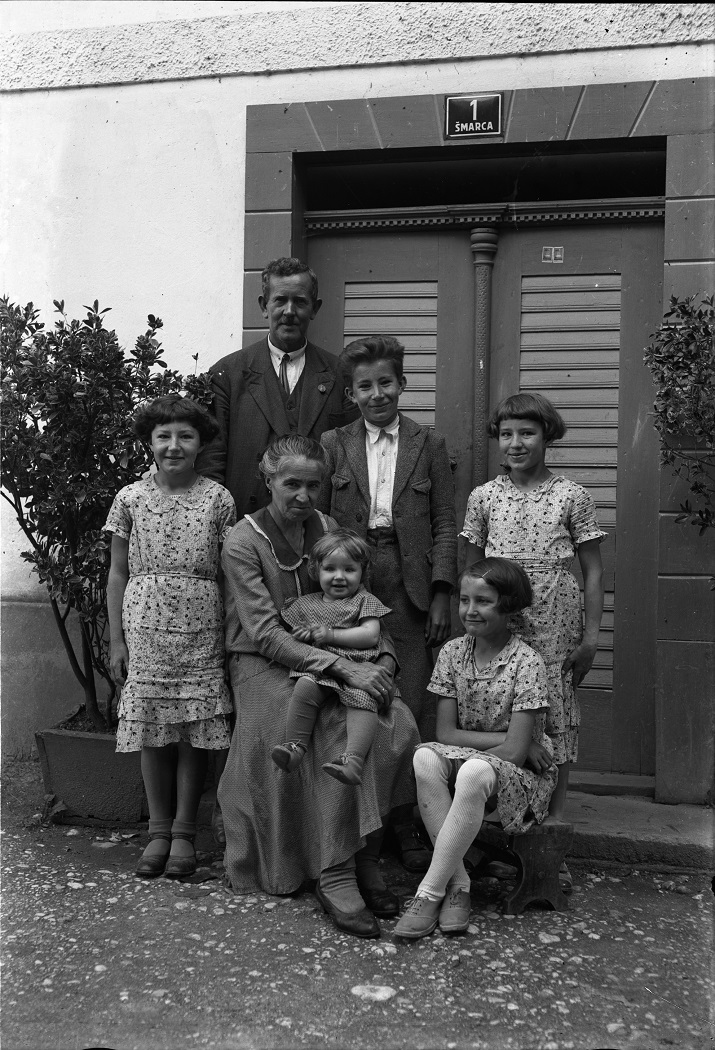
Peter Naglič (1883–1959), a persistent and perceptive observer of the world, created an exceptional photographic oeuvre between 1900 and 1940, which today represents a valuable visual memory of places and people. Although he was a factory owner by profession and ran a family business in Šmarca near Kamnik, he devoted special dedication, precision, and inner discipline to photography.
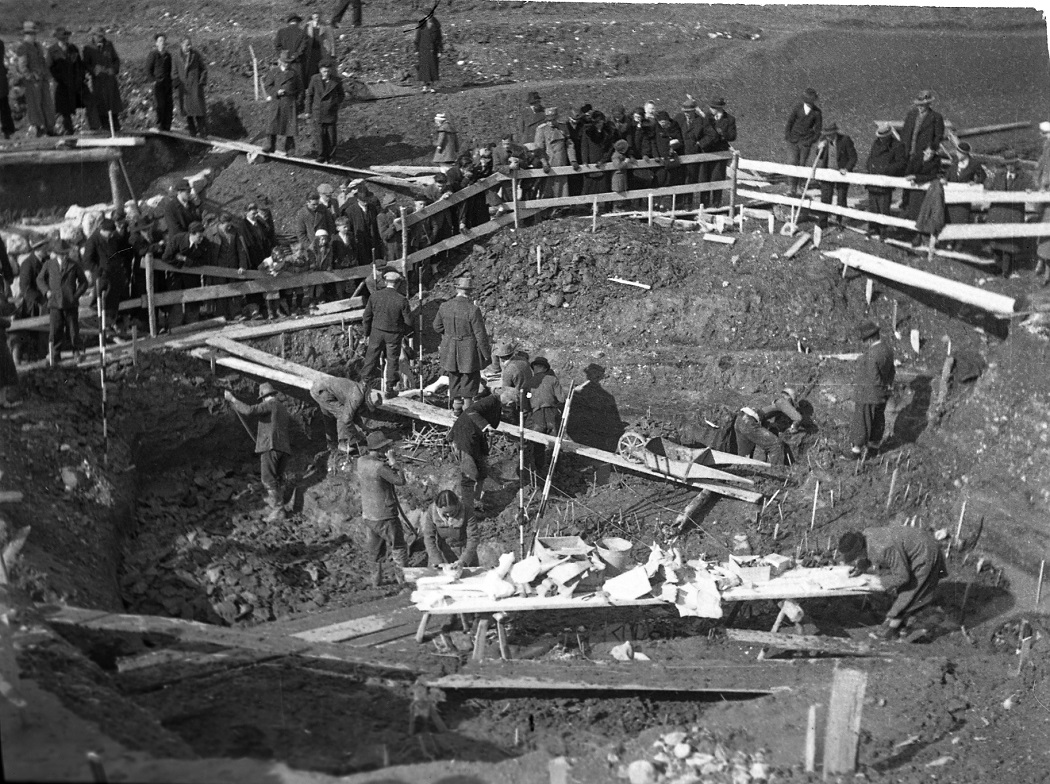
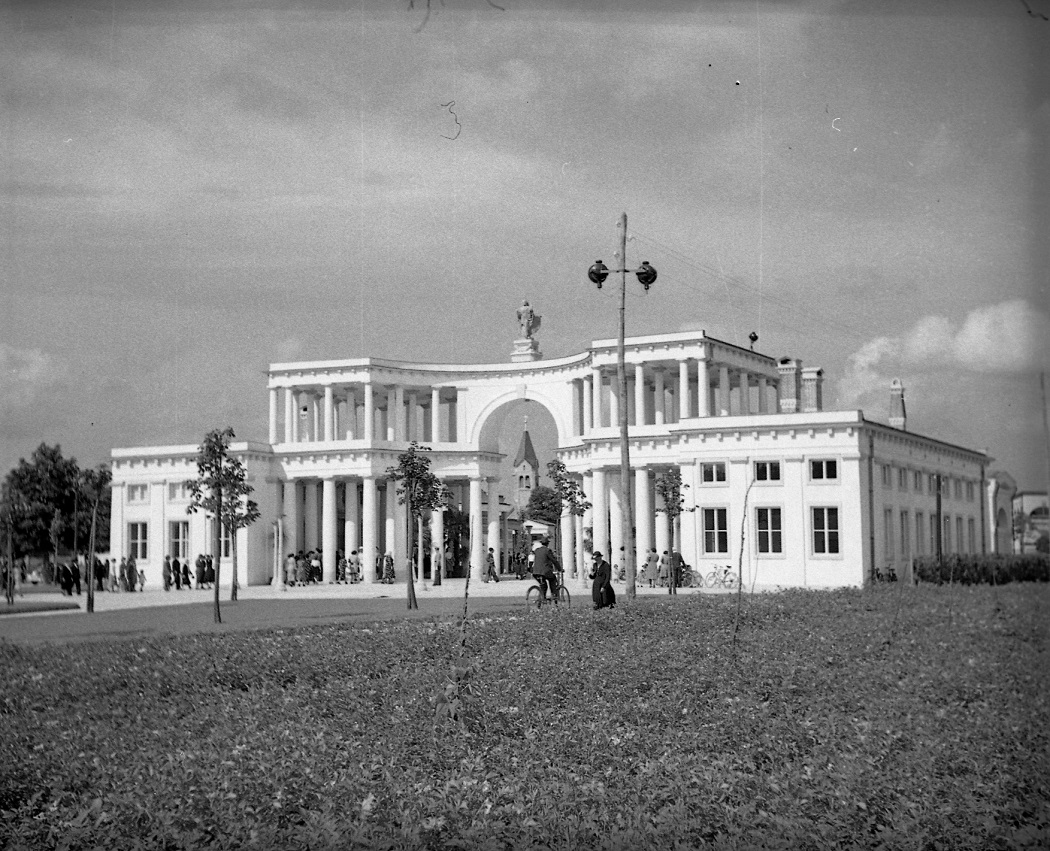
His photographs are not merely images—they are stories. Through his lens, Naglič documented both everyday moments and significant events, giving them a sense of permanence. With a carefully organized archive, in which the photographs are numbered, dated, and accompanied by notes, he created a unique record of his time that offers a clear insight into the past.
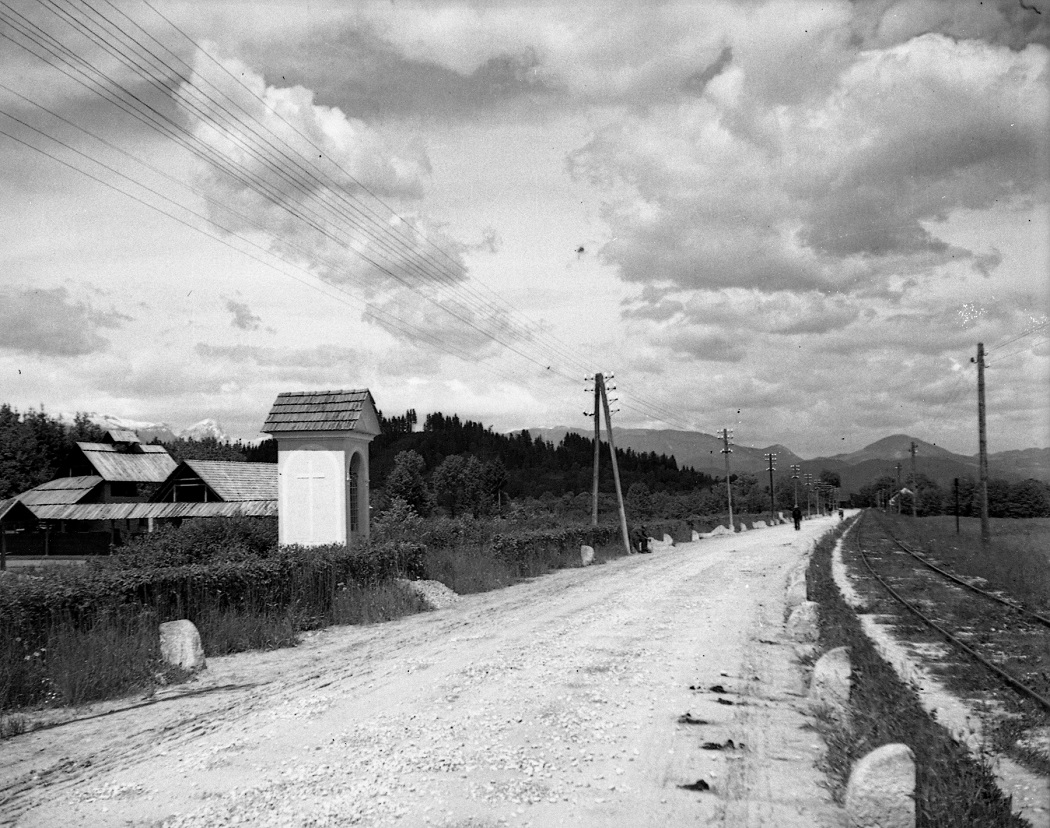
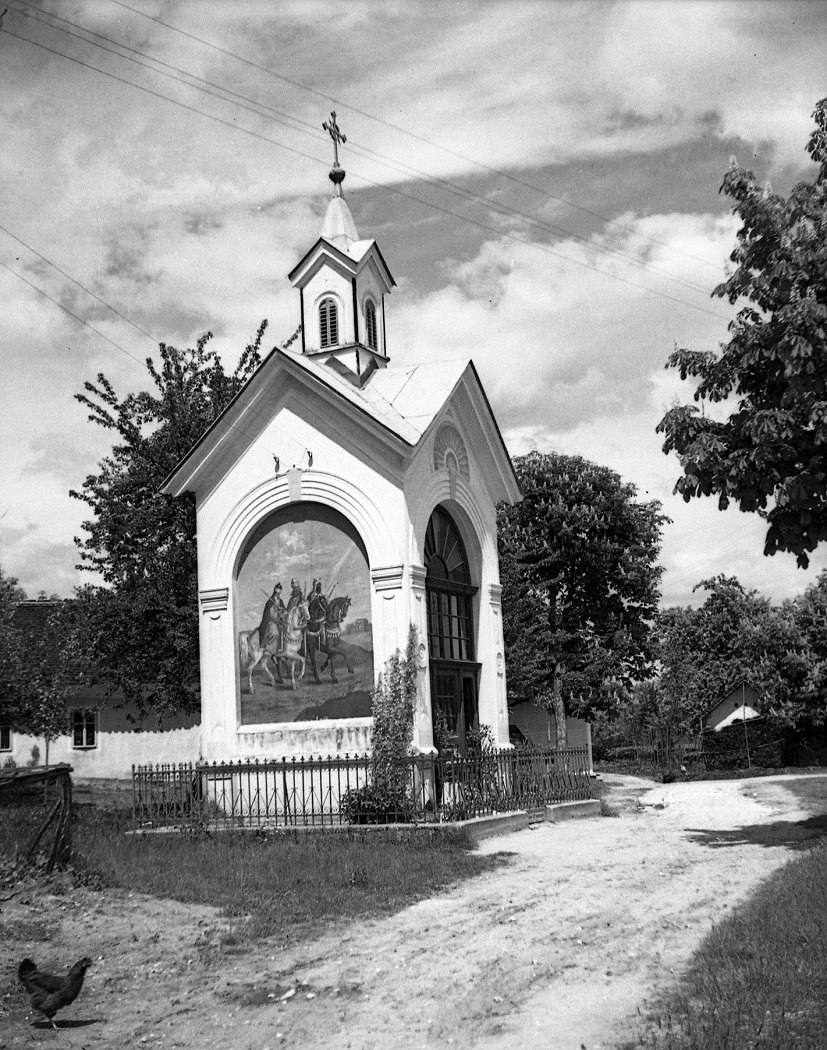
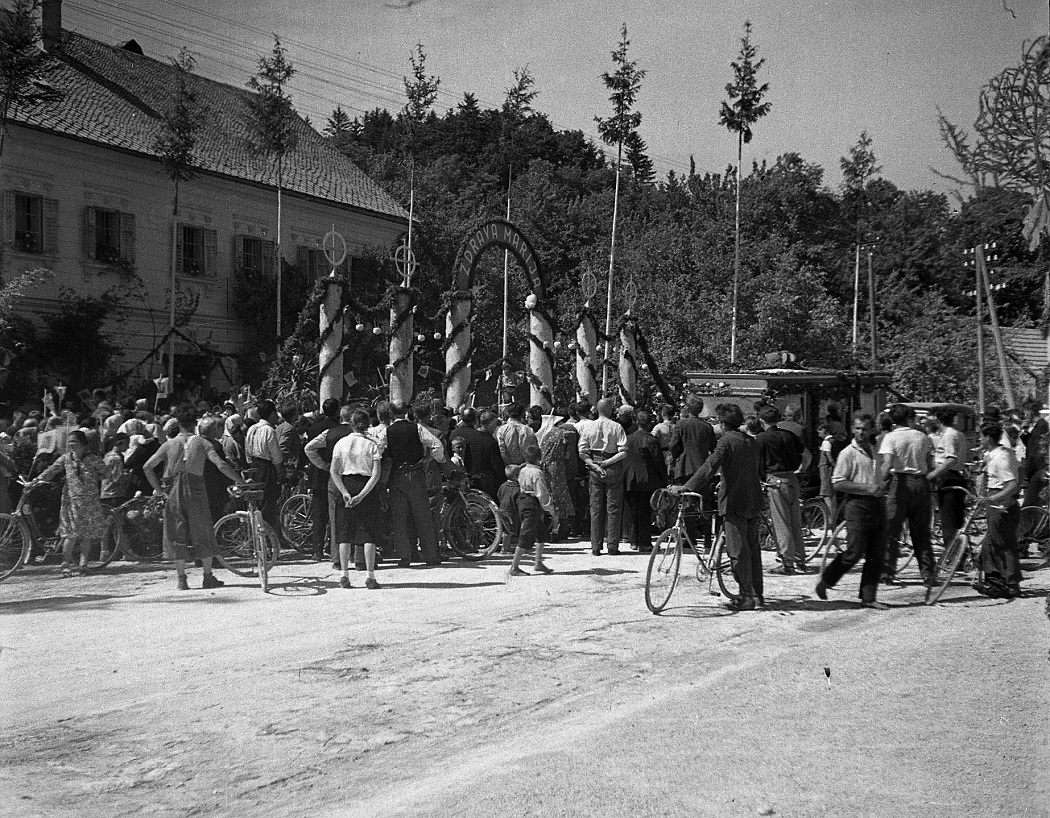
The exhibition Trzin through the Lens of Peter Naglič presents a selection of photographs connected to Trzin and its surroundings. Special emphasis is placed on images of the cultural landscape—churches, chapels, and wayside shrines—as well as everyday life in the first half of the 20th century. Most of the exhibited works were created in the 1930s, when Naglič intensively documented the appearance of his local environment.
The exhibition gains particular value from the exceptionally well-preserved and systematically organized legacy, complemented by the author’s notes, calendars, and personal comments. These allow each photograph to be understood not merely as a visual fragment, but as part of a broader narrative about time, place, and people. Naglič’s approach reveals not only technical mastery, but also a deep sensitivity to detail, light, and composition.
At the same time, the exhibition offers insight into the process of preserving photographic heritage. After 1997, the archive gained renewed attention among professionals when it began to be researched by his grandson, Matjaž Šporar, who, in cooperation with institutions, continues to care for its presentation and evaluation.
Today, these photographs are not merely documents—they are a bridge between the past and the present. They tell stories of places that have changed and of lives that have passed, yet remain alive through Naglič’s lens.
_____________________________________
Temporary Exhibition Trzin Through the Lens of Peter Naglič, Ivan Hribar Centre, Trzin, 17 April – 17 May 2026. An exhibition by the Intermunicipal Museum Kamnik
On behalf of the museum: Zora Torkar, MA Authors: Matjaž Šporar and Zora Torkar (Intermunicipal Museum Kamnik) Photographs: from the Peter Naglič Archive Photograph of the Cameras: Tomaž Lauko Proofreading: Ana Gruden Graphic Design: Vladimir Ristić In collaboration with: the Peter Naglič Society, Šmarca. The exhibition was made possible by: the Municipality of Trzin.