

- Info MM:K
Contact
Muzejska pot 3, 1241 Kamnik, Slovenia
+386 (0)1 8317 662
info@muzejkamnik.siDŠ: 92474519
MŠ: 5095417000
TRR: SI56 0110 0600 0057 156Opening hours MM:K
Opening hours for visitors:
Tuesday-Saturday: 10.00 – 18.00,
Sunday, Monday and holidays: closedMuseum – Zaprice Castle is from 15.4. until 15.9.2025 also open on Sundays from 10 a.m. to 2 p.m.

- Events & News
- Exhibitions
- Units
- Collections
- Education
- Shop
- About MM:K
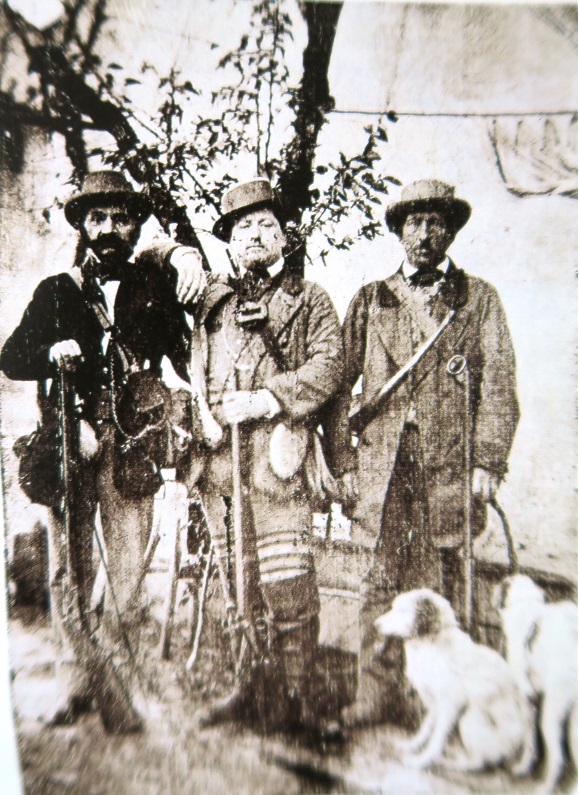
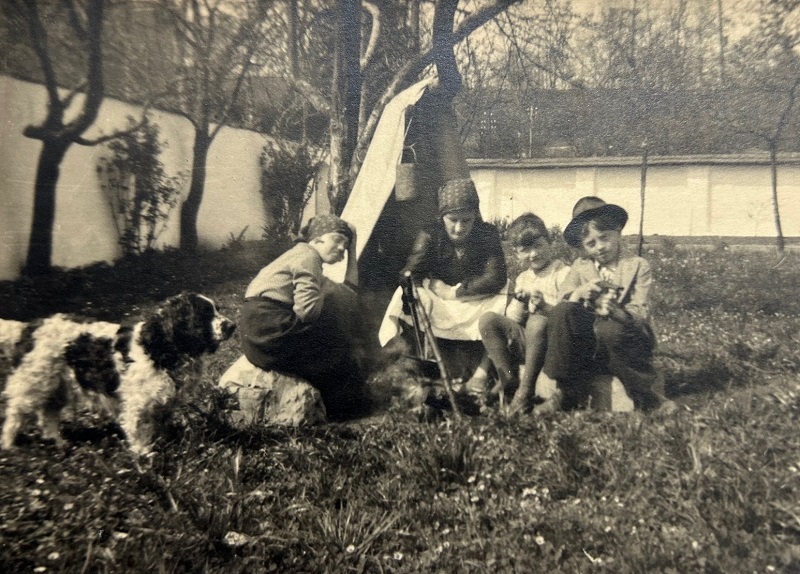
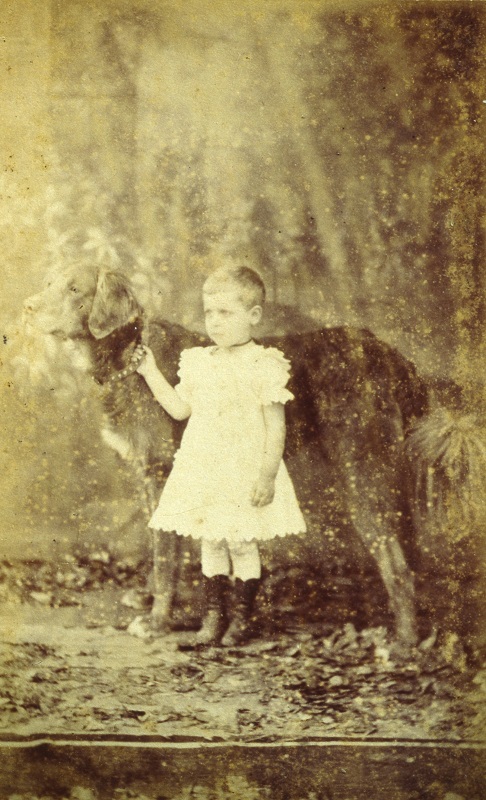
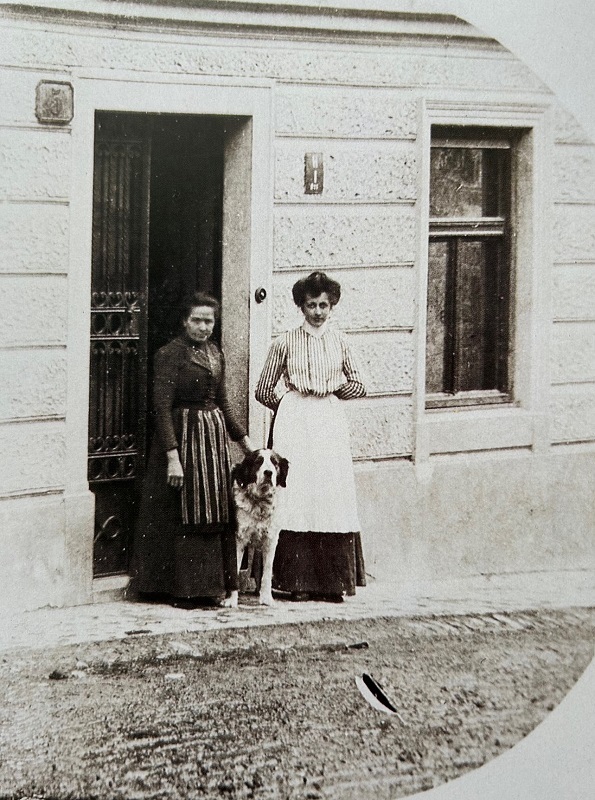
From Parlour Pets to Family Members: How the 19th Century Changed the Lives of Our Pets
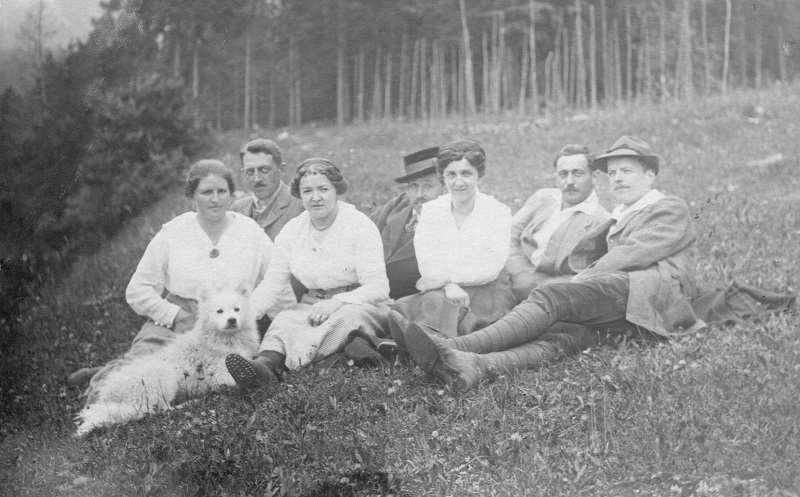
Pets have always held a special place in our hearts. During quiet morning walks, rainy afternoons and long winter evenings, they are our most faithful companions — silent companions who understand us even without words. Over generations, streets, cities and habits have changed, but that warm, invisible bond between humans and animals has remained the same. It is a gentle, everyday reminder of what truly matters in life.
A Luxury of Modern Times? Not at All!
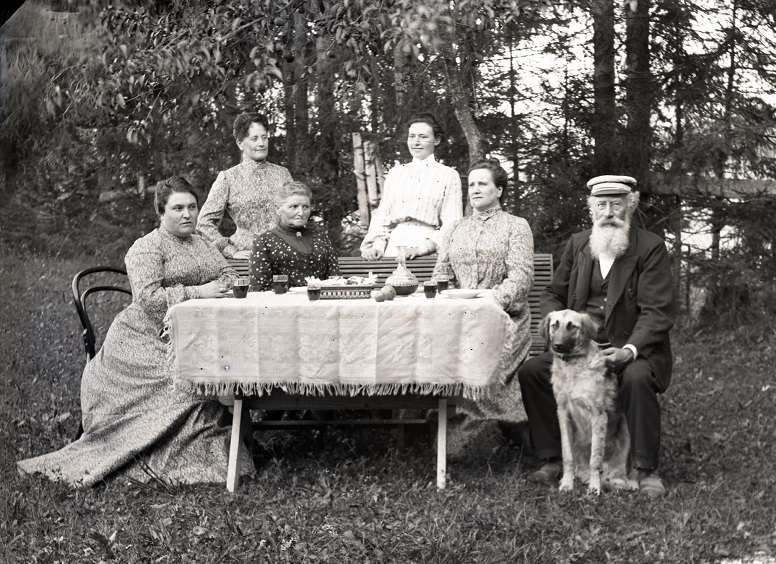
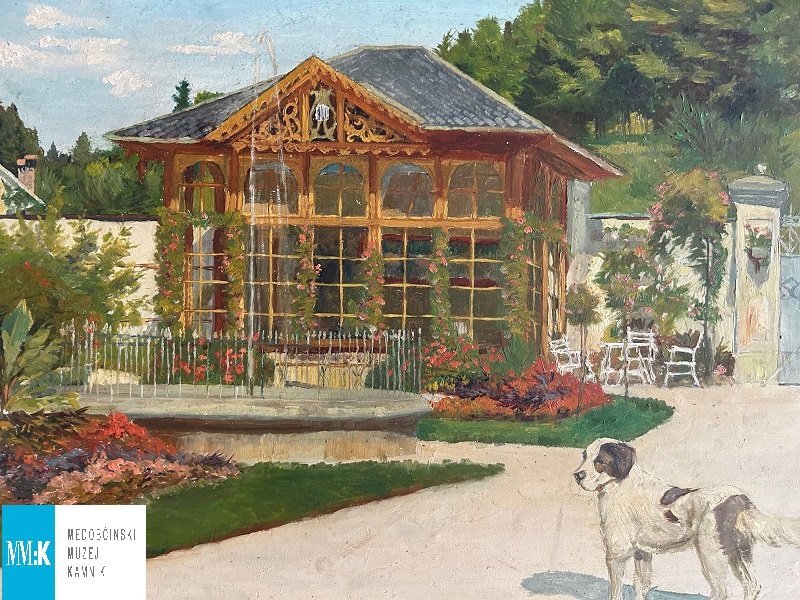
The fact that the well-being of our animal companions is so highly valued today is evident in cat hotels, dog-dating apps, special vitamins for canaries and boutique bakeries for dogs. Although these may seem like fashionable whims of the modern age, in reality we are simply reaping the fruits of cultural patterns that emerged two centuries ago. A strong, profound love for pets truly came into its own in the 19th century, when animals moved from stables and farmyards into bourgeois homes, parlours and carefully tended gardens.
Although keeping animals at home was nothing new, during this period they became both status symbols and objects of deep affection among the urban middle and upper classes and the aristocracy.
The Habsburg Network of Compassion
As ethnologist Daša Ličen points out, this was a time when organised animal-protection movements spread rapidly across Europe. In 1846 — just one year after the establishment of the society in Gorizia — the Vienna Society for the Prevention of Cruelty to Animals was founded. Over the following decades, the society served as a central, though informal, hub for independent branches throughout the Habsburg Empire.
The movement’s supporters were remarkably progressive for their time: they lobbied for the first animal-protection laws, taught children compassion in schools, and worked tirelessly to improve conditions for working animals, which at the time were essential to the rhythm of both urban and rural life.
Elite Clubs and Influential Women
Historical sources reveal that the animal-rights movement of this period was primarily the domain of the social elite. Associations were founded by aristocrats, senior officials, wealthy merchants, industrialists, intellectuals and bankers — the leading figures of public life at the time.
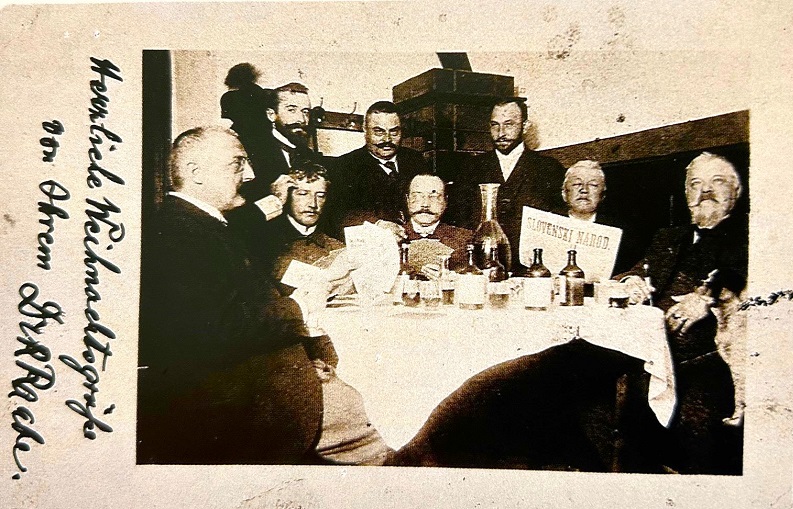
In Slovenian lands, the path towards organised animal protection took somewhat longer. Although an initiative to establish an Animal Defence Society was published as early as 1874 in the newspaper Slovenski narod, it received no response at the time. The Carniolan Society for the Protection of Animals was therefore not established until 1899. Interestingly, the society attracted a remarkable number of women. Prominent middle-class women — wives of doctors, officials and estate owners — accounted for as much as one-fifth of all members and occupied half of the seats on the executive committee, representing an extraordinary social shift for the time.
Two Worlds: The Parlour vs. the Farmyard
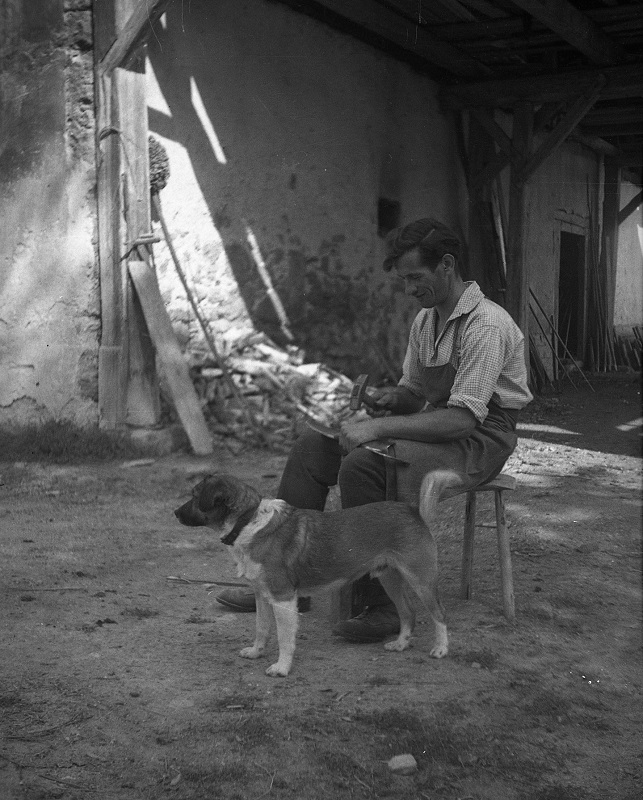
Of course, this early activism had its own particular limitations. The first advocates of animal rights based their views on their own, rather narrow experiences. To them, animals were parlour companions, charming playthings and objects of aesthetic appreciation. On the other side stood farmers and workers, whose experience was entirely different — they depended on animals for their very existence and survival, leaving little room for sentimentality.
Foundations That Still Stand Today
Nevertheless, there is no doubt that the foundations of our modern relationship with animals, as well as animal-protection legislation and advocacy, can be traced back to this transformative 19th century. It was then that the way humans viewed the animal world changed radically and forever. It was on these historical foundations that certain animals were gradually freed from chains and cages and, over time, became what they are today: our best friends, therapists and equal members of the family.
Zora Torkar