


- Info MM:K
Contact
Muzejska pot 3, 1241 Kamnik, Slovenia
+386 (0)1 8317 662
info@muzejkamnik.siDŠ: 92474519
MŠ: 5095417000
TRR: SI56 0110 0600 0057 156Opening hours MM:K
Opening hours for visitors:
Tuesday-Saturday: 10.00 – 18.00,
Sunday, Monday and holidays: closedMuseum – Zaprice Castle is from 15.4. until 15.9.2025 also open on Sundays from 10 a.m. to 2 p.m.
- Events & News
- Exhibitions
- Units
- Collections
- Education
- Shop
- About MM:K
When Summer Became a Season of Leisure: Kamnik, Bled, and Seaside Resorts at the End of the 19th Century
Today, it is difficult to imagine summer without holidays, travel, and the search for a relaxing getaway. Yet the idea of dedicating the summer months to rest, health, and the enjoyment of nature is actually a relatively recent one. During the second half of the nineteenth century, a new custom began to emerge among the middle classes, civil servants, and wealthier citizens of the Austro-Hungarian Empire—the summer holiday.
People began to seek the refreshing qualities of summer. Some found them in green valleys, at the foot of the mountains, and at mineral springs, while others headed to the coast, where the fresh sea air and maritime climate promised health and well-being. Among the destinations that gained a reputation as popular holiday resorts during this period were Kamnik and Bled, while along the Adriatic coast, Opatija and Portorož became particularly fashionable.
Kamnik – Where Rest Became a Remedy
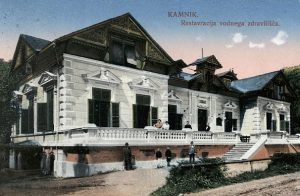 A new era of tourism in Kamnik began in 1876, when Alojz and Franc Prašnikar, together with Janez Kecel, established a bathing facility and hydrotherapy spa. It was far more than a place for swimming—it was a centre for relaxation, medical treatment, and social life.
Guests could enjoy walks through the landscaped park, excursions into the picturesque surroundings of Kamnik, pleasant evenings in the spa salon, and a variety of therapeutic treatments. The spa offered medical consultations, hydrotherapy, electrotherapy, massage treatments, and a swimming pool suitable for both swimmers and non-swimmers. For its time, it was an exceptionally modern establishment, placing Kamnik alongside other renowned spa destinations.
The spa’s reputation was further enhanced by the visit of Emperor Franz Joseph I in 1883. When the popular Kneipp method of treatment—emphasising the healing power of water, exercise, and nature—was introduced in Kamnik in 1891, the resort became even more attractive to visitors.
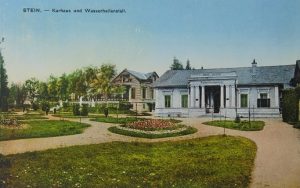 By 1893, the complex included a medical building and four villas. Guests did not come merely for a few days; many stayed in Kamnik for several weeks or even for the entire season. While visitors to Bled often came for shorter visits, those who chose Kamnik were primarily seeking peace, rest, and medical treatment.
Between 1892 and 1900, the spa welcomed an average of 311 guests each year. More than half came from other regions of the Austro-Hungarian Empire, while international visitors included Germans and Americans. Around 40 percent of the guests were from Carniola. Kamnik thus became a meeting place for people from different regions and cultures. Although interest in the Prašnikar Spa began to decline after 1910, its historical importance remained considerable. It represented one of the earliest significant milestones in the development of tourism in Kamnik.
Opatija – When a Small Fishing Village Became a European Resort
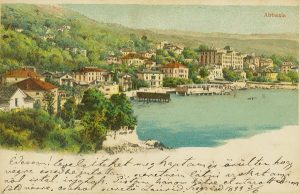 A similar story unfolded on the Adriatic coast. Within just a few decades, Opatija was transformed from a small fishing village into one of the most distinguished resorts of the Austro-Hungarian Empire.
Its tourist development began in 1844, when Iginio Scarpa built the first holiday villa. His residence laid the foundations for the town’s future identity, soon attracting aristocrats, wealthy urban residents, and distinguished visitors.
The elegant Villa Angiolina became a gathering place for many prominent figures of the era. Among its guests were Emperor Franz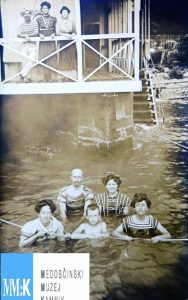 Joseph I and the Croatian Ban Josip Jelačić. Opatija was rapidly becoming a destination where health, prestige, and social life came together.
The town experienced its greatest expansion during the 1880s. The first grand hotel, Quarnero—today’s Hotel Kvarner—opened its doors, while numerous elegant villas, hotels, bathing facilities, parks, and seaside promenades were constructed. Opatija soon earned the nickname “the Austrian Nice” and became one of Europe’s leading climatic health resorts. In 1889, it was officially designated a climatic spa resort.
Kamnik, with its peaceful spa atmosphere and refreshing alpine surroundings, and Opatija, with its elegant seaside charm, represented two faces of the same story—the birth of modern tourism. People were beginning to discover that fresh air, clean water, nature, and leisure were not merely luxuries, but essential ingredients of a healthy and fulfilling life.