

- Info MM:K
Contact
Muzejska pot 3, 1241 Kamnik, Slovenia
+386 (0)1 8317 662
info@muzejkamnik.siDŠ: 92474519
MŠ: 5095417000
TRR: SI56 0110 0600 0057 156Opening hours MM:K
Opening hours for visitors:
Tuesday-Saturday: 10.00 – 18.00,
Sunday, Monday and holidays: closedMuseum – Zaprice Castle is from 15.4. until 15.9.2025 also open on Sundays from 10 a.m. to 2 p.m.
- Events & News
- Exhibitions
- Units
- Collections
- Education
- Shop
- About MM:K
Rudolf Maister Vojanov and the Celje grammar school students #forwardtothepast #heritageconnects
The Connecting Power of Cultural Heritage
RUDOLF MAISTER VOJANOV AND THE CELJE GRAMMAR SCHOOL STUDENTS
In Kamnik, March 29 is a municipal holiday—it marks the birthday of the great local figure Rudolf Maister. Throughout the month, various cultural events take place in the town. One of them was the opening of a temporary exhibition at Maister’s Birth House titled Savinja Will Be Our Sacred Scapular (Maister in Celje, 1913–1914). The exhibition’s author, Alenka Juvan (Birth House of Rudolf Maister, Intermunicipal Museum Kamnik), collaborated with Dr. Marija Počivavšek (Museum of Recent History Celje), Dr. Anton Šepetavc and Vesna Gubenšek Bezgovšek (First Grammar School in Celje), while the Central Library of Celje contributed rich visual material.
The exhibition tells the story of Maister’s short period in the town by the Savinja River, when he was least of all a soldier, but above all an intellectual, mentor, and teacher to the grammar school students of Celje.
Maister was transferred to Celje—then strongly divided along national (Slovene-German) lines—on November 1, 1913. He took up the post of commander of the Celje detachment of the Landsturm. His contemporaries and biographers wrote that he felt at ease among the people of the Savinja region. He quickly established contacts with Slovene intellectuals and attended cultural events. He was especially interested in whether there were any young people in Celje interested in literature and writing. This question was answered by his friend Miloš Štibler, a publicist and cooperative activist, who arranged a meeting between Maister and the Celje grammar school students.
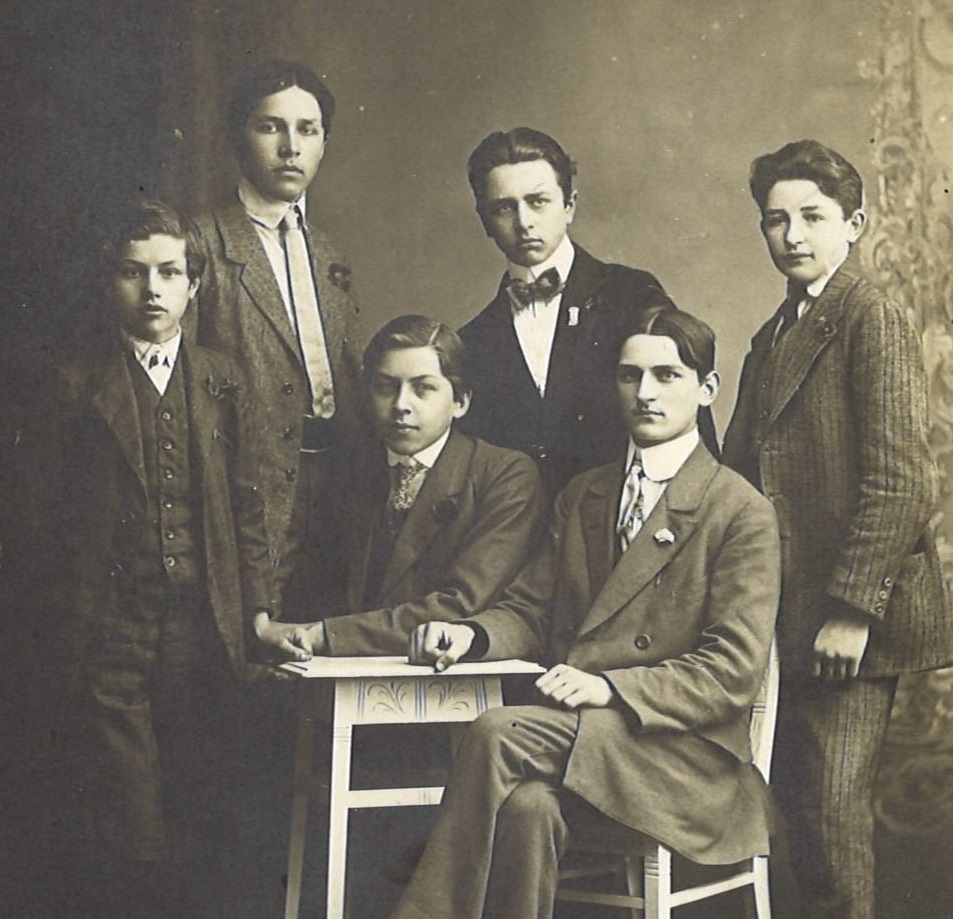
Thus, in December 1913, in the Union Printing House on today’s Kocbek Street, a great friendship and literary adventure began between the students of the Celje State Grammar School and the Austro-Hungarian captain and Slovene poet Rudolf Maister Vojanov. Even before the official meeting, the boys had founded a literary club called Kondor, and they waited nervously to hear what the poet Vojanov would say about their literary attempts. Recalling this first visit of Rudolf Maister in the Celje Yearbook in 1957, Kondor member and later well-known children’s writer Fran Roš wrote:
“Štibler brought Maister to us, and we shook hands with an officer who, with his tall, upright figure, the piercing force of his eyes, his fine moustache, and his velvety Upper Carniolan speech, seemed to us like some extraordinary and truly heroic personality. It amazed us that he wanted to get to know us, mostly just fifteen-year-old boys from the fifth and sixth grades of the grammar school. We wondered anxiously whether he would find anything in us that would not disappoint him.”
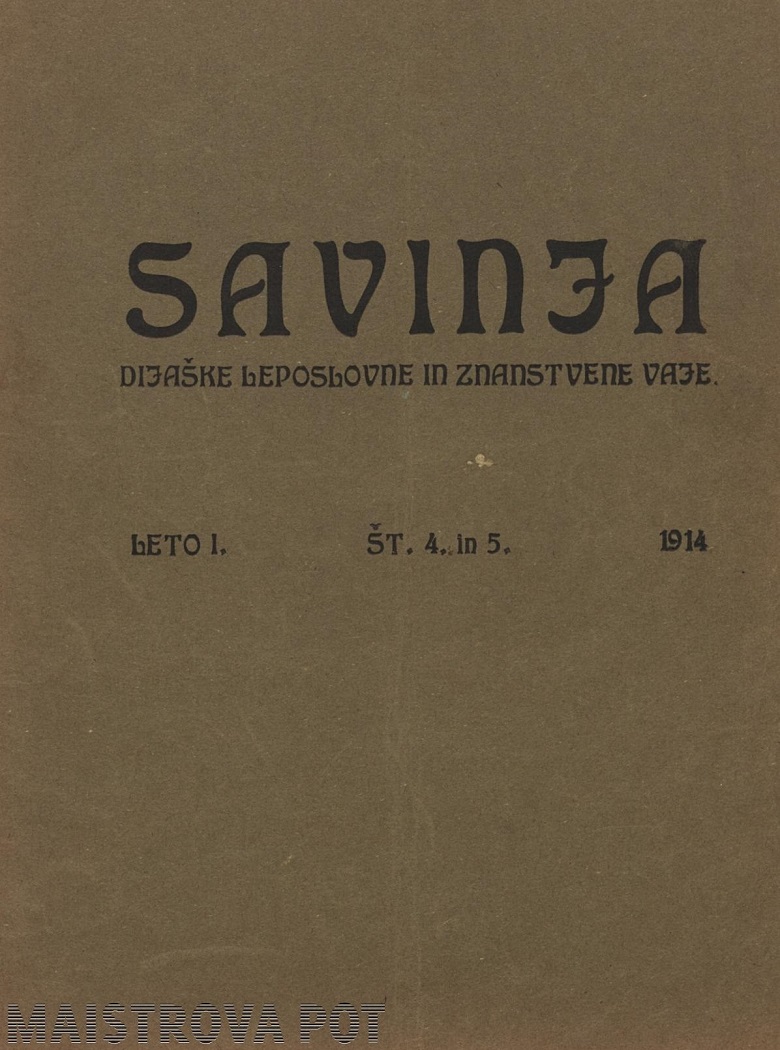
But when Maister kindly sat among the boys and began to speak to them about literature, their worry and fear disappeared. Enthusiastically, they confided that they too wanted to publish their own journal, and Maister gladly promised his help. Thus, in January 1914, the first issue of the literary-scientific publication Savinja was released, followed by four more. Maister edited all of them and selected their content, with partial assistance from the president of the literary society, Srečko Puncer.
Then the First World War began, and Savinja ceased publication. However, the authorities discovered the illegal activities of the Kondor members, including the publishing of the journal. Despite interrogations and threats of punishment, none of the boys revealed that their mentor and editor was an Austro-Hungarian officer. Maister’s charisma even extended to the struggles for Carinthia, in which some of these young men later lost their lives.
Today, this noble friendship between a forty-year-old Austro-Hungarian officer and young literary enthusiasts is attested by a few preserved copies of Savinja in the Central Library of Celje and by a memorial plaque at the First Grammar School, the successor of the Celje State Grammar School. Therefore, cooperation with this institution was essential and binding in preparing the exhibition. The school, with its students, represents a living link between past and present—a vivid testimony to how cultural heritage, to which we do not always devote enough space today, forms the foundation of every nation. With it, a nation lives; without it, it disappears.
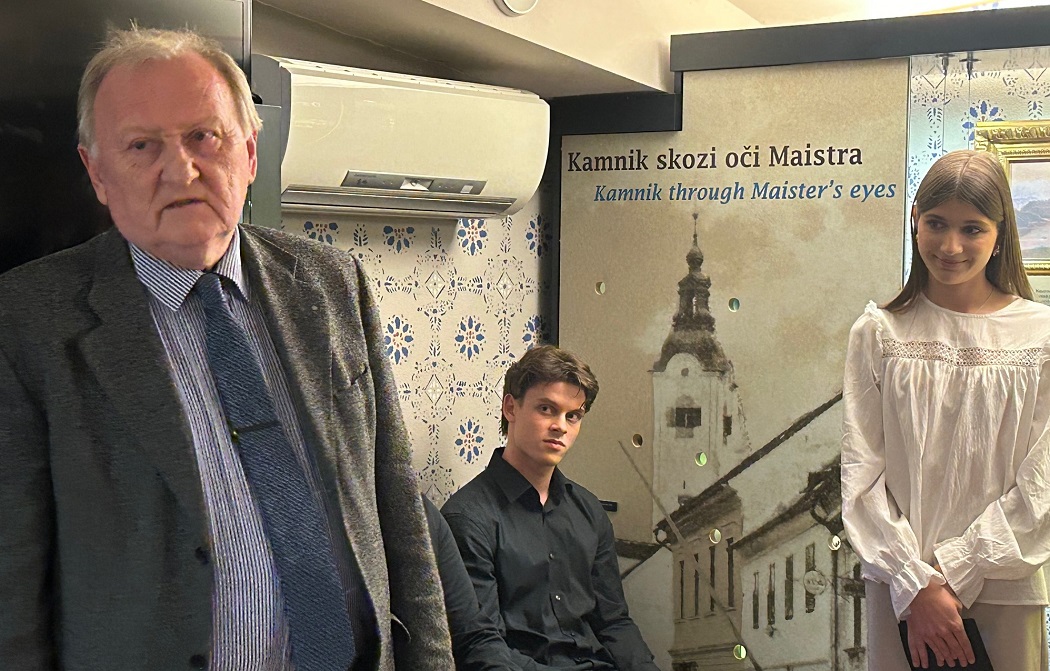
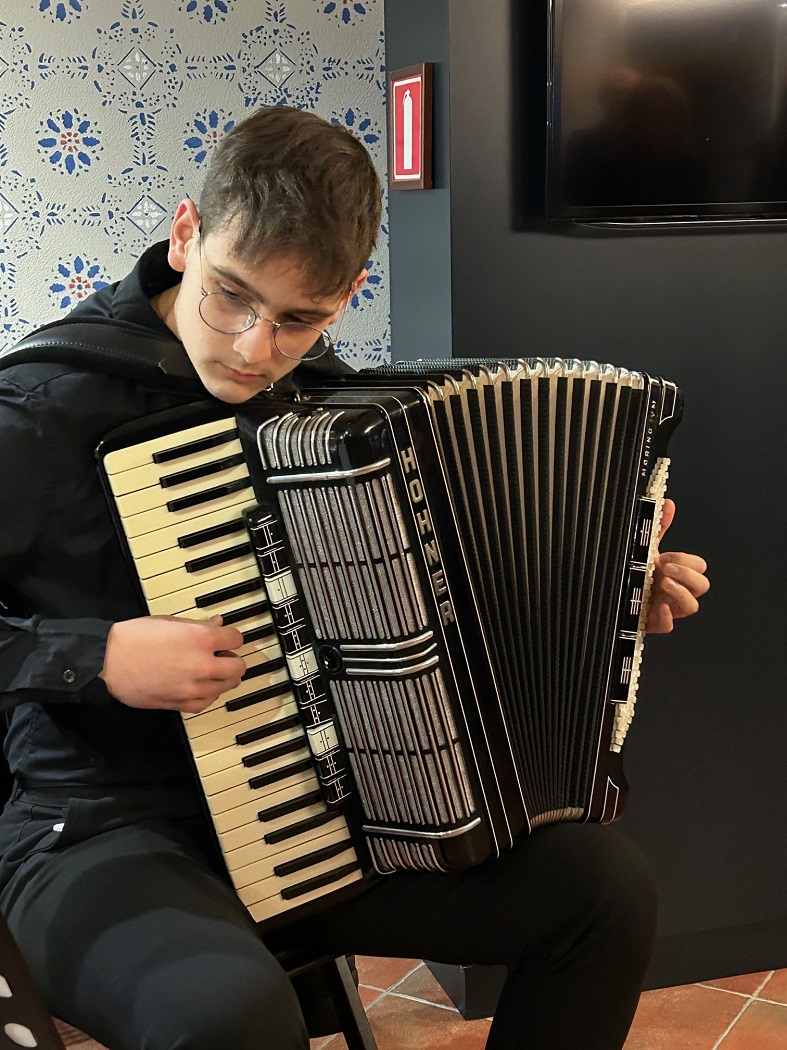
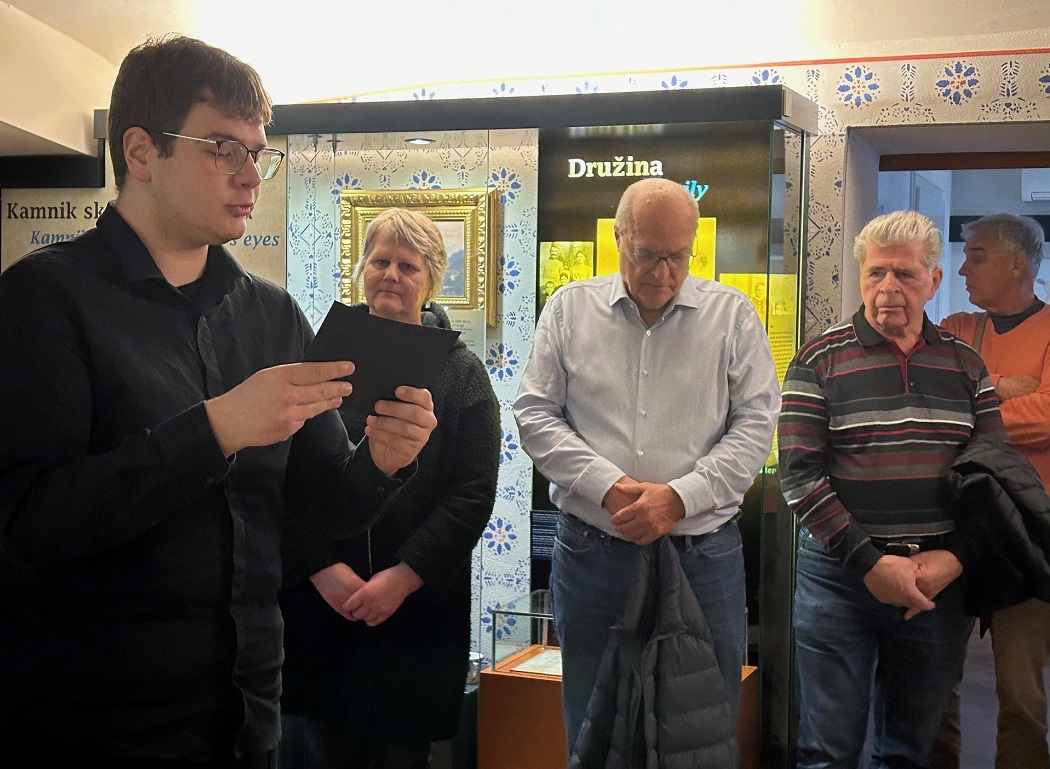
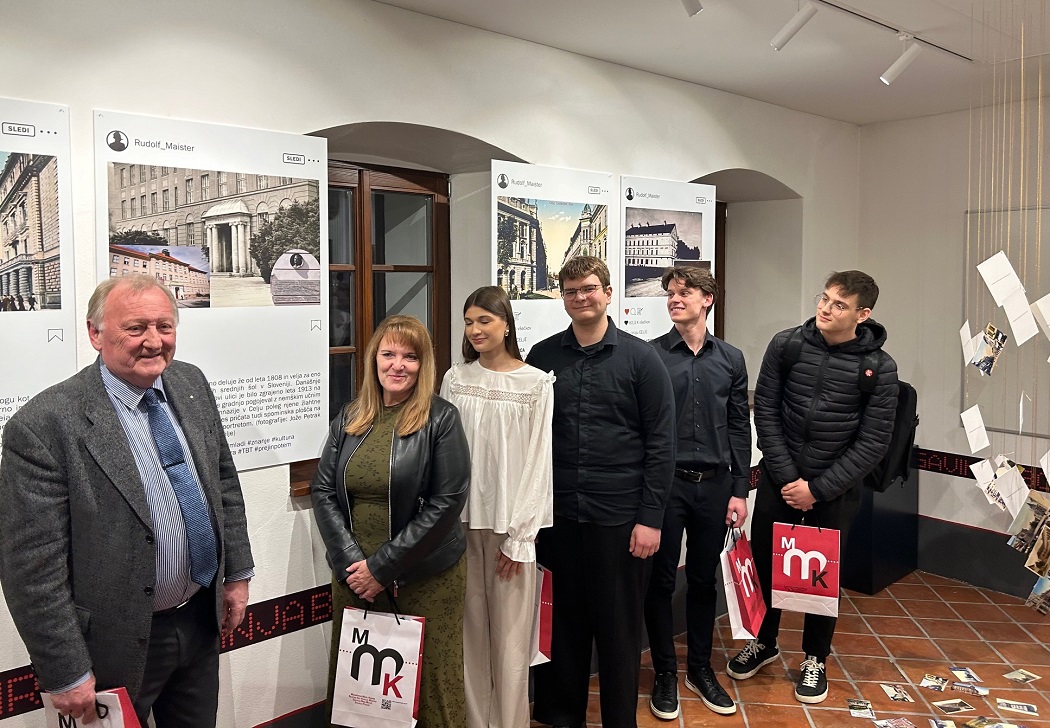
This important connecting role of cultural heritage was also highlighted by the ceremony held at the opening of the exhibition at Maister’s Birth House, prepared by students of the First Grammar School (Neja Janežič, Jakob Dolenc, Dejan Djaković, and accordionist Jakob Tojnko) together with their teacher Vesna Gubenšek Bezgovšek. The exhibition designer, Petra Derganc, also creatively brought past events and creativity into the present through her design (accompanied by a catalogue). She conceived the exhibition as a play with media—from traditional to modern. The introductory panel became a newspaper page; most panels resemble a social network for sharing photographs and short stories; and beneath them runs a strip of light with basic information.
Thus, the circle is complete: the exhibition visually reminds visitors of the close intertwining of times and generations, which cultural heritage forever shapes and strengthens.
Alenka Juvan
#forwardtothepast #museumandcommunities #heritageconnects #museumwithoutborders